About Us.
Mission.
Peppit exists to level the playing field for independent shops, giving them the same digital reach as the big chains, and to give customers real variety and convenience from local community stores.
Our Journey.
It began with a simple conversation. A local shop owner was asked a straightforward question: he already sold his cafe food through delivery apps — did he sell his groceries the same way? His answer was clear. It was too difficult.
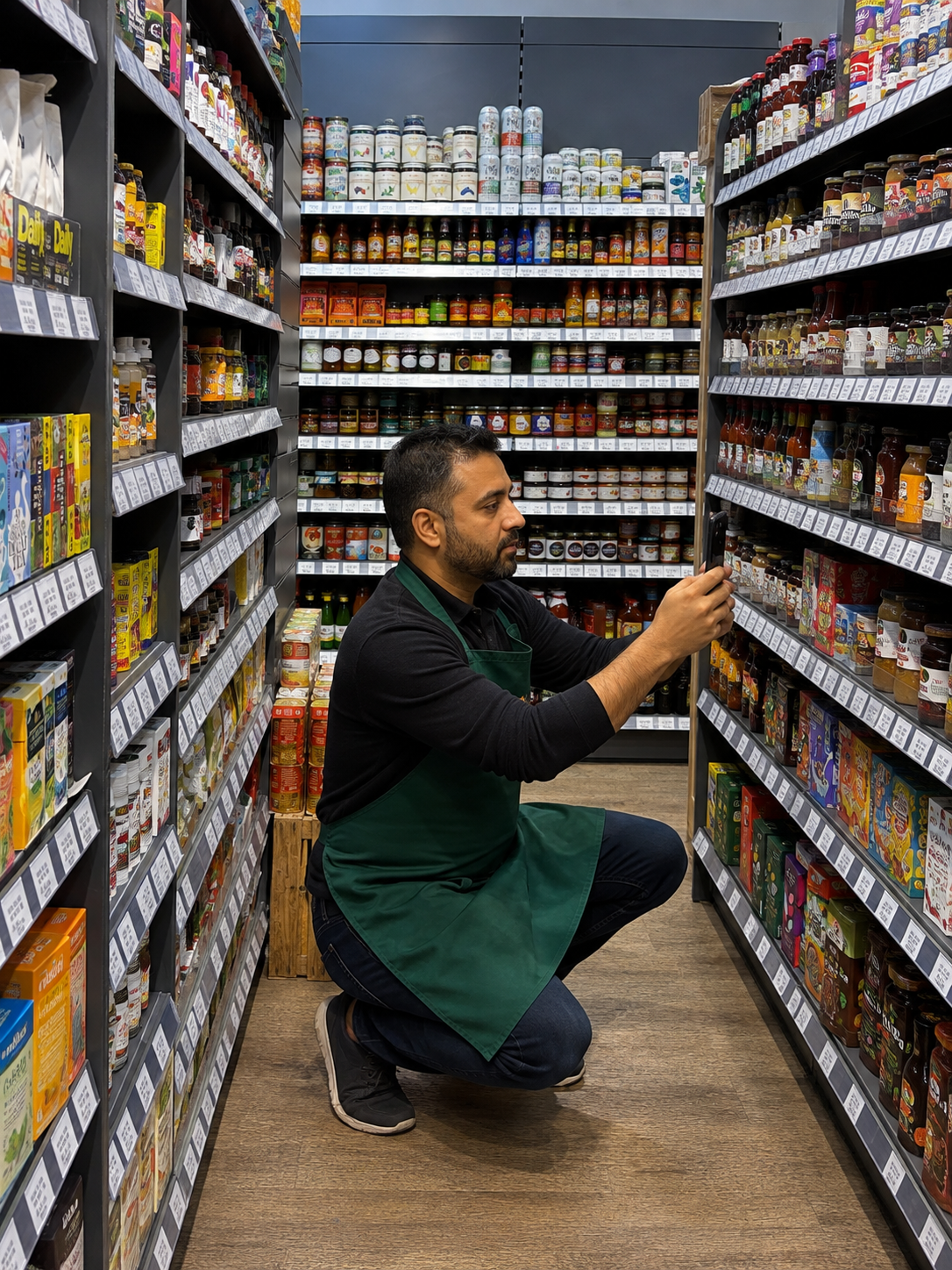
With over 3,000 products on his shelves, entering them all into every delivery app, one by one, would take months. And even then, there was no way to get proper, quality photos of his stock.
That conversation led to many more. Grocery stores, convenience stores, corner shops - the same problem, everywhere. Shop owners had the products. What they didn't have was the time or the tools to get them online.
A closer look at what customers could actually order revealed the other half of the problem. Anyone wanting something delivered to their door, right now, was limited to a handful of big supermarket chains. But what if a customer wanted Japanese tan tan ready-meal kits, artisanal sardines from Portugal, or tinned salmon from the Faroe Islands? And what if they need a bottle of vodka for the house party at 1am? None of this was available. Not because customers didn't want it, but because the shops selling it had no easy way to reach them digitally.
Peppit was built to close that gap - bringing every shop's real products online in hours, not months, and giving customers back the choice they'd been missing.
Making convenience, convenient.
The Peppit Name.
Long before shops were called grocers, London's spice traders were known as Pepperers. Pepper was one of the most valuable goods of the medieval world. It was carried thousands of miles from the East by camel caravan, changing hands many times before it ever reached a London market stall.
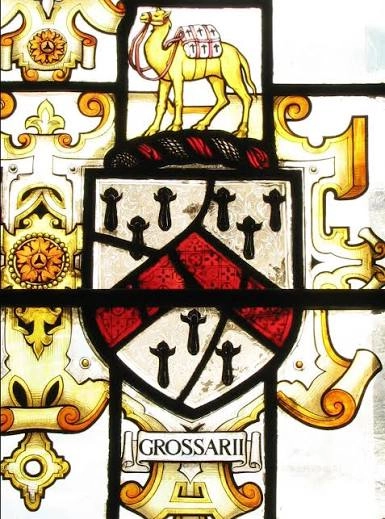
That trade in spices was serious business - formal enough to need its own guild. The Guild of Pepperers, first recorded in 1180, controlled the trade of spices, set purity standards, and managed weights and measures. In 1345, it merged with the Spicers, and later became the Worshipful Company of Grocers - one of the Great Twelve City Livery Companies.
For their emblem, the Pepperers chose a camel - a fitting symbol for a trade built on distance, patience, and getting something valuable to the people who wanted it.
Centuries later, the trade looks nothing like it once did. But the challenge hasn't really changed - connecting shop owners with the customers who want what they sell, wherever those customers are.
Peppit brings the Pepperer name forward. Same trade. Same camel. Just easier to say out loud.